Homemade Mayonnaise
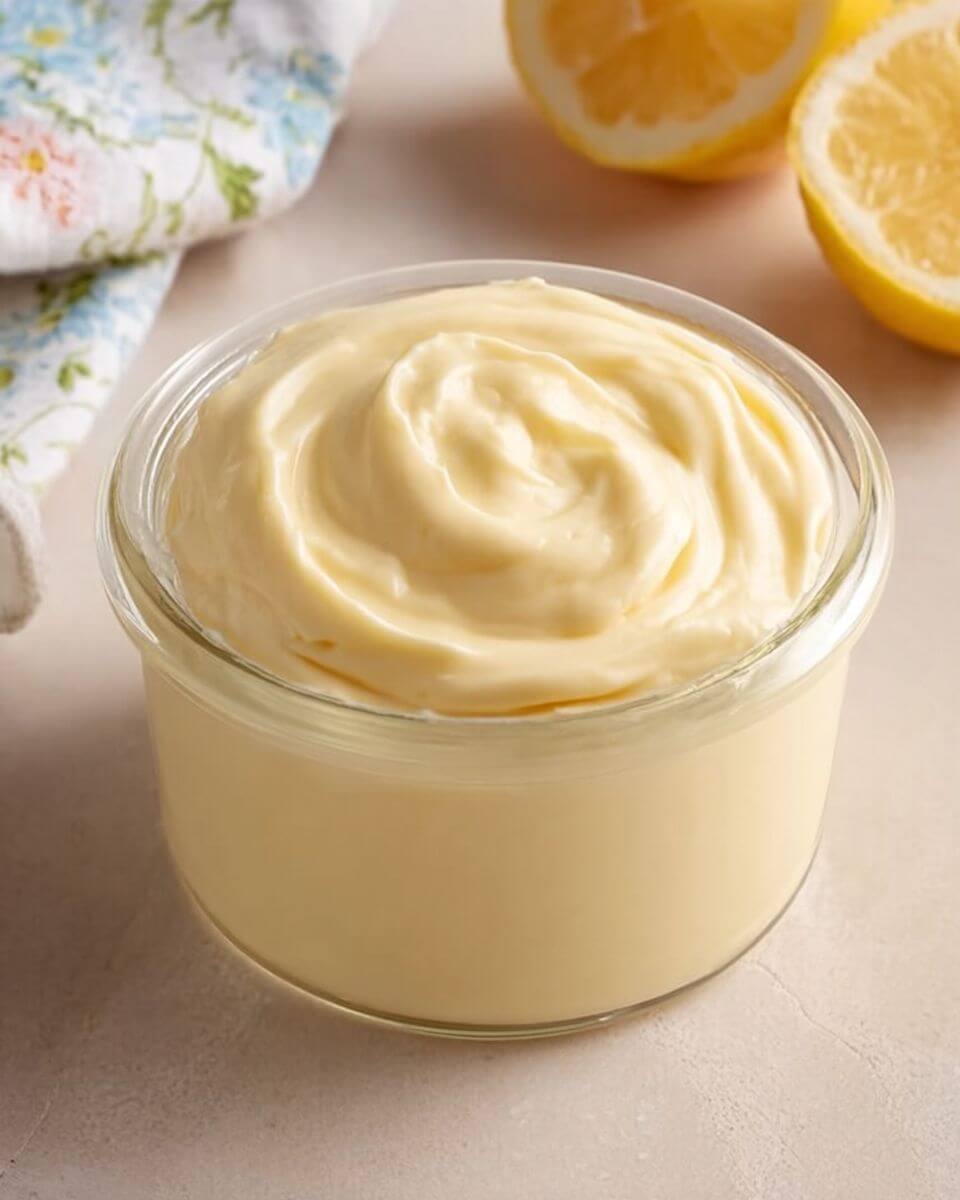
Making Homemade Mayonnaise at home is surprisingly easy. With just eggs, oil, water, lemon juice, salt, and a little garlic, you can blend up a creamy spread in minutes.
The flavor is fresh, tangy, and easy to adjust. Add more garlic for a stronger kick, a little extra lemon for brightness, or keep it simple for sandwiches, burgers, wraps, and salads.
One important note: because this recipe uses raw eggs, it’s safest to use pasteurized eggs and keep the finished mayonnaise refrigerated.
Why You’ll Love This Homemade Mayonnaise
This recipe is quick, simple, and easy to customize.
- Ready in minutes: Everything goes straight into the blender.
- Simple ingredients: No long list of additives or extras.
- Creamy texture: Blending creates a smooth, spreadable consistency.
- Easy to flavor: Garlic, herbs, mustard, or extra lemon can all be added.
- Versatile: Use it for sandwiches, dips, potato salad, or dressings.
It’s one of those kitchen basics that feels a little fancy even though the method is incredibly simple.
Ingredients You’ll Need
- 3 eggs: Use pasteurized eggs for the safest homemade mayonnaise.
- 80 ml oil, about ⅓ cup: Choose a mild-tasting oil such as avocado, canola, or vegetable oil.
- 50 ml water, about 3 tablespoons plus 1 teaspoon: Helps create a lighter consistency.
- 1 teaspoon salt: Seasons the mixture.
- 2 tablespoons lemon juice: Adds acidity and bright flavor.
- Garlic, to taste: Add a small clove for mild flavor or more if you love garlic.
Tip: A neutral oil works best because strong olive oil can sometimes make mayonnaise taste bitter.
How to Make Homemade Mayonnaise
Prep Time: 5 minutes
Total Time: 5 minutes
Yield: About 1½ cups
Step 1: Add Everything to the Blender
Place the eggs, oil, water, salt, lemon juice, and garlic into a blender or food processor.
If using garlic, start with a small amount. You can always add more later.
Step 2: Blend Until Creamy
Blend until the mixture becomes completely smooth and creamy.
Stop and scrape down the sides if needed.
Continue blending until the mayonnaise looks uniform with no visible streaks of egg or oil.
Step 3: Taste and Adjust
Taste the mayonnaise.
Add more salt, lemon juice, or garlic if desired.
If you prefer a thinner texture, blend in a teaspoon or two of water.
Step 4: Chill
Transfer the mayonnaise to a clean airtight container.
Refrigerate before serving if you prefer it cold.
Tips for the Best Homemade Mayonnaise
A few simple details can help you get a smooth, creamy result.
Use pasteurized eggs. This is especially important because the eggs aren’t cooked.
Use a mild oil. Neutral oils keep the flavor clean and balanced.
Blend until completely smooth. A little extra blending time can make the texture creamier.
Add garlic gradually. Raw garlic becomes stronger as it sits.
Keep everything cold after blending. Homemade mayonnaise should stay refrigerated.
Use a clean container. This helps the mayo stay fresh longer.
If the mayonnaise seems thinner than expected, chilling can help it firm up slightly.
Easy Variations to Try
Once you have the basic recipe, it’s easy to change the flavor.
- Garlic mayo: Add extra fresh garlic.
- Herb mayo: Blend in parsley, chives, dill, or cilantro.
- Spicy mayo: Add hot sauce, cayenne, or chili paste.
- Mustard mayo: Blend in 1–2 teaspoons Dijon mustard.
- Lemon herb mayo: Add extra lemon juice and fresh herbs.
- Smoky mayo: Add a pinch of smoked paprika.
You can also turn it into a quick dipping sauce by adding a little yogurt or sour cream.
Ways to Use Homemade Mayonnaise
Homemade mayo is useful for much more than sandwiches.
Spread it on burgers, wraps, grilled chicken sandwiches, or toast.
Use it as the base for egg salad, tuna salad, chicken salad, or potato salad.
You can also mix it with herbs and spices to make an easy dip for fries, roasted potatoes, vegetables, or chicken tenders.
And if you like creamy salad dressings, mayo makes a great starting point.
How to Store Homemade Mayonnaise
Transfer the mayonnaise to an airtight container and refrigerate immediately.
Because this recipe contains raw eggs, keep it cold at 40°F or below.
For best quality and food safety, use it within 3–4 days.
Don’t leave homemade mayonnaise sitting at room temperature for long periods, especially during warm weather or outdoor gatherings.
If it develops an unusual smell, color, or texture, discard it.
Frequently Asked Questions
Can I use olive oil?
Yes, but mild olive oil works better than extra-virgin olive oil.
Extra-virgin olive oil can sometimes taste bitter after blending.
Do I have to use pasteurized eggs?
Pasteurized eggs are strongly recommended because the eggs remain raw in this recipe.
Can I use bottled lemon juice?
Yes, though fresh lemon juice usually gives a brighter flavor.
Can I make this without garlic?
Absolutely. Leave it out for a classic, mild mayonnaise.
Why is my mayonnaise thin?
This recipe has more water and less oil than many traditional mayonnaise recipes, so it may naturally be lighter in texture.
Chilling can help it thicken slightly.
Can I make it ahead?
Yes. Make it a day ahead and keep it tightly covered in the refrigerator.
Final Thoughts
This Homemade Mayonnaise is creamy, tangy, simple, and ready in just a few minutes.
With eggs, oil, lemon juice, salt, water, and garlic, you can make a fresh homemade spread that works for sandwiches, salads, dips, and so much more.
Keep it chilled, use pasteurized eggs, and adjust the garlic and lemon until it tastes just right for you.
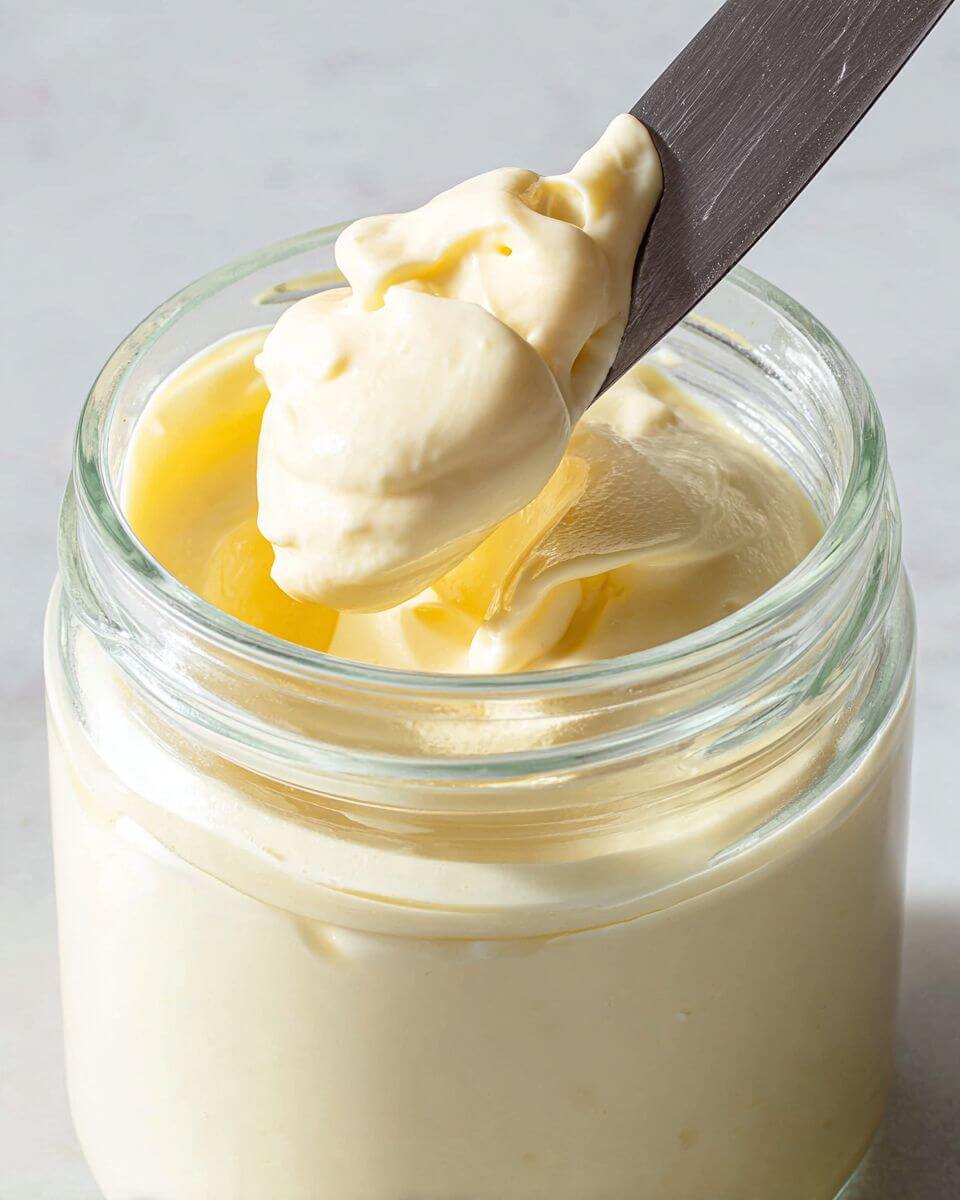
Homemade Mayonnaise
Ingredients
Method
- Add the eggs, oil, water, salt, lemon juice, and garlic to a blender or food processor.
- Blend until the mixture becomes smooth, creamy, and uniform.
- Stop and scrape down the sides if needed, then continue blending until no visible streaks of egg or oil remain.
- Taste and adjust the salt, lemon juice, or garlic as desired.
- For a thinner consistency, blend in 1–2 teaspoons additional water.
- Transfer the mayonnaise to a clean airtight container.
- Refrigerate until ready to serve.