Classic Tapioca Pudding
Classic Tapioca Pudding
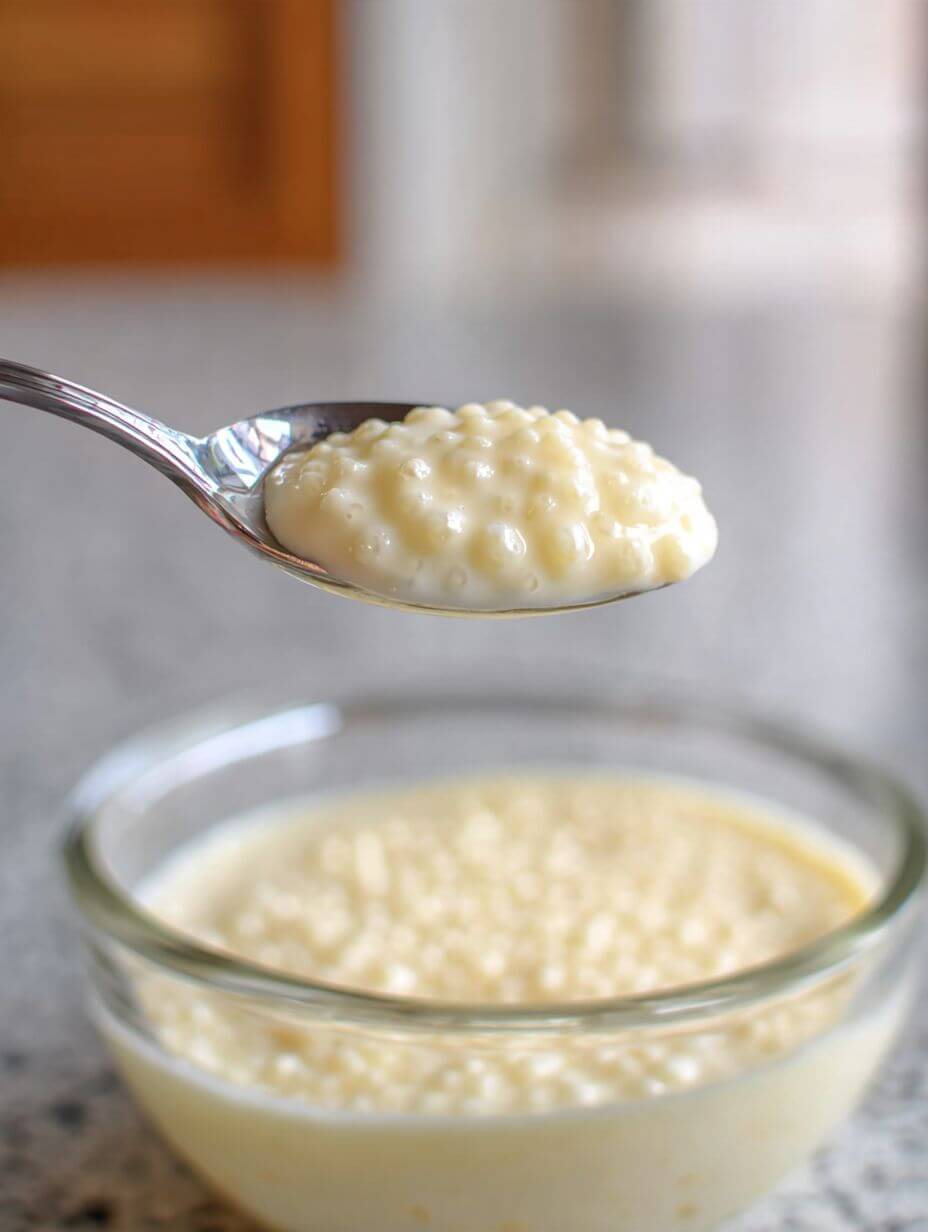
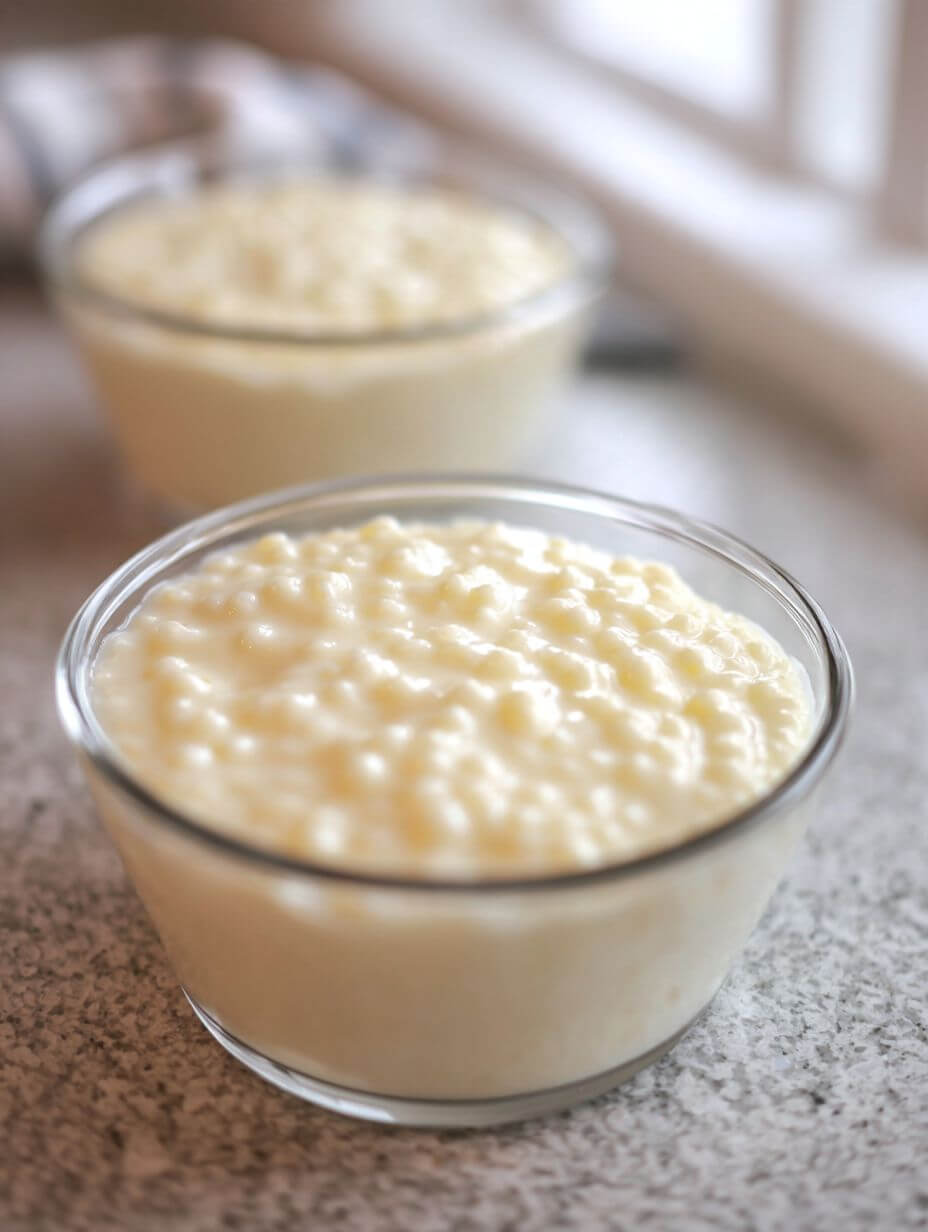
There’s something wonderfully old-fashioned about classic tapioca pudding. It’s creamy, lightly sweet, and filled with those tiny tapioca pearls that give every spoonful a soft, slightly chewy texture.
This stovetop version uses simple ingredients—milk, sugar, eggs, vanilla, and quick-cooking tapioca—and comes together without much fuss. You can enjoy it warm right from the saucepan or chill it for a cool, comforting dessert later.
It’s the kind of recipe that feels nostalgic in the best way. Simple, familiar, and always satisfying.
Why You’ll Love This Tapioca Pudding
This homemade pudding is easy enough for a weeknight dessert but classic enough to serve for a family gathering.
- Simple ingredients: Everything comes from basic pantry and refrigerator staples.
- Creamy texture: Whole milk and eggs create a rich, smooth pudding.
- Quick stovetop recipe: No baking required.
- Delicious warm or cold: Serve it right away or chill it for later.
- Make-ahead friendly: It keeps well in the refrigerator for easy desserts during the week.
And unlike instant pudding mixes, homemade tapioca has that distinctive texture that makes it feel a little more special.
Ingredients You’ll Need
You only need six ingredients to make this traditional tapioca pudding.
- 3 cups whole milk: Gives the pudding a rich, creamy texture.
- ½ cup quick-cooking tapioca: Creates the signature little pearls throughout the pudding.
- ½ cup granulated sugar: Adds just the right amount of sweetness.
- ¼ teaspoon salt: Balances the sugar and enhances the vanilla flavor.
- 2 large eggs, beaten: Help thicken the pudding and give it a custard-like richness.
- ½ teaspoon vanilla extract: Adds a warm, classic flavor.
Tip: Make sure you’re using quick-cooking tapioca for this recipe. Larger pearl tapioca usually needs a different cooking method and longer soaking time.
How to Make Classic Tapioca Pudding
Prep Time: 5 minutes
Cook Time: About 15 minutes
Chilling Time: Optional, 2–3 hours
Total Time: About 20 minutes, plus chilling
Servings: 6
Step 1: Combine the Milk, Tapioca, Sugar, and Salt
In a medium saucepan, stir together the whole milk, quick-cooking tapioca, sugar, and salt.
Place the saucepan over medium heat.
Bring the mixture to a gentle boil while stirring constantly to keep the milk from scorching.
Step 2: Cook the Tapioca
Once the mixture begins to boil, reduce the heat to low.
Continue cooking and stirring for about 5 minutes.
The tapioca will begin to soften and the mixture will start to thicken slightly.
Step 3: Temper the Eggs
Place the beaten eggs in a medium bowl.
Slowly whisk about 1 cup of the hot milk mixture into the eggs, adding only a couple of tablespoons at a time.
This step gently warms the eggs so they don’t scramble when added back to the saucepan.
Take your time here—it makes a big difference in the final texture.
Step 4: Return the Egg Mixture to the Pan
Slowly pour the warmed egg mixture back into the saucepan while stirring constantly.
Increase the heat slightly to medium-low.
Bring the pudding to a gentle simmer and cook for about 2 more minutes, stirring continuously.
The pudding is ready when it becomes thick enough to coat the back of a metal spoon.
Step 5: Add the Vanilla
Remove the saucepan from the heat.
Stir in the vanilla extract until well combined.
The pudding will continue to thicken slightly as it cools.
Step 6: Serve Warm or Chilled
For warm tapioca pudding, spoon it into bowls and serve right away.
If you prefer it cold, transfer the pudding to individual serving dishes or one large bowl.
Cover and refrigerate for several hours until thoroughly chilled.
Tips for Perfect Tapioca Pudding
A few small details can help you get smooth, creamy pudding every time.
Stir often. Milk can scorch easily, especially once the tapioca begins to thicken.
Temper the eggs slowly. Adding hot liquid too quickly can cause the eggs to cook into little pieces.
Keep the heat gentle. Once the eggs go in, avoid a hard boil.
Don’t overcook. The pudding thickens more as it cools, so it doesn’t need to become extremely thick in the saucepan.
Use whole milk for the creamiest texture. Lower-fat milk can work, but the pudding won’t be quite as rich.
If the chilled pudding becomes thicker than you like, stir in a small splash of milk before serving.
Easy Variations to Try
Classic tapioca pudding is delicious on its own, but it’s easy to give it a little twist.
- Cinnamon tapioca pudding: Sprinkle cinnamon over each serving.
- Nutmeg version: Add a pinch of nutmeg for a cozy flavor.
- Coconut tapioca pudding: Replace part of the milk with coconut milk.
- Chocolate tapioca pudding: Stir in a little cocoa powder or melted chocolate near the end of cooking.
- Vanilla bean tapioca: Use vanilla bean paste instead of regular vanilla extract for a stronger vanilla flavor.
Fresh berries also make a simple, pretty topping.
What to Serve With Tapioca Pudding
Tapioca pudding is satisfying on its own, but a few toppings can make it even better.
For a classic presentation, sprinkle a little cinnamon or nutmeg over the top.
Fresh strawberries, blueberries, or raspberries add color and a bright contrast to the creamy pudding.
You can also top it with whipped cream, toasted coconut, or chopped nuts.
For a cozy dessert, serve it warm with a cup of coffee or tea.
If you’re serving it chilled, fresh fruit works especially well.
How to Store Tapioca Pudding
This pudding is a great make-ahead dessert.
Refrigerator: Store it in an airtight container or cover individual serving dishes tightly. Keep refrigerated for up to 3–4 days.
Freezer: Freezing isn’t recommended because the texture can become watery or grainy after thawing.
Serving after chilling: Give the pudding a gentle stir before serving. Add a small splash of milk if it has thickened too much.
Keep the pudding refrigerated until you’re ready to serve.
Frequently Asked Questions
What is tapioca pudding made from?
Tapioca pudding is traditionally made with milk, sugar, eggs, vanilla, and tapioca, which comes from cassava root starch.
What’s the difference between quick-cooking tapioca and pearl tapioca?
Quick-cooking tapioca uses smaller pieces that soften much faster. Large pearl tapioca usually needs soaking and a longer cooking time.
Why did my eggs scramble?
The eggs were probably heated too quickly. Slowly whisking small amounts of hot pudding into the beaten eggs first helps prevent this.
Can I make tapioca pudding without eggs?
Yes, but the texture will be less custard-like. You may need to adjust the cooking time or add another thickener.
Can I use 2% milk instead of whole milk?
Yes. The pudding will still work, but it may be slightly less rich and creamy.
Why is my tapioca pudding too thick?
Tapioca continues absorbing liquid as it cools. Stir in a small amount of milk until the pudding reaches the consistency you like.
Final Thoughts
This Classic Tapioca Pudding is a simple, comforting dessert that never really goes out of style.
With its creamy vanilla base and soft tapioca pearls, it’s just as good served warm from the stove as it is chilled from the refrigerator.
Make a batch for an easy family dessert, add a sprinkle of cinnamon or a handful of fresh berries, and enjoy a sweet little taste of old-fashioned comfort.
Classic Tapioca Pudding
Ingredients
Method
- In a medium saucepan, combine the whole milk, quick-cooking tapioca, granulated sugar, and salt.
- Place the saucepan over medium heat and bring the mixture to a gentle boil, stirring constantly to prevent scorching.
- Once the mixture begins to boil, reduce the heat to low and continue cooking for about 5 minutes, stirring frequently, until the tapioca begins to soften and the mixture thickens slightly.
- Place the beaten eggs in a medium bowl. Slowly whisk about 1 cup of the hot milk mixture into the eggs, adding only a small amount at a time to temper them.
- Gradually pour the warmed egg mixture back into the saucepan while stirring constantly.
- Increase the heat slightly to medium-low and bring the pudding to a gentle simmer. Cook for about 2 minutes, stirring continuously, until the mixture is thick enough to coat the back of a spoon.
- Remove the saucepan from the heat and stir in the vanilla extract.
- Serve the pudding warm, or transfer it to individual bowls or one large serving dish and refrigerate for 2–3 hours until chilled.