Ribeye Steak
Ribeye Steak
(That “restaurant-quality” dinner you can absolutely pull off at home)
Let’s just say it—cooking steak at home can feel like a gamble.
You spend good money on a beautiful cut of ribeye, and suddenly the pressure is on. Don’t overcook it. Don’t undercook it. Don’t mess it up. It’s a lot for a Tuesday night, right?
But here’s the honest truth: ribeye is one of the most forgiving steaks you can cook.
It has enough marbling (those little streaks of fat) to stay juicy and flavorful, even if you’re not aiming for perfection. And once you learn a simple method—just once—you’ll realize it’s not complicated at all.
In fact, it might become your go-to “I want something really good but still manageable” kind of dinner.
Ingredients (Keep It Simple—Really)
Main ingredients:
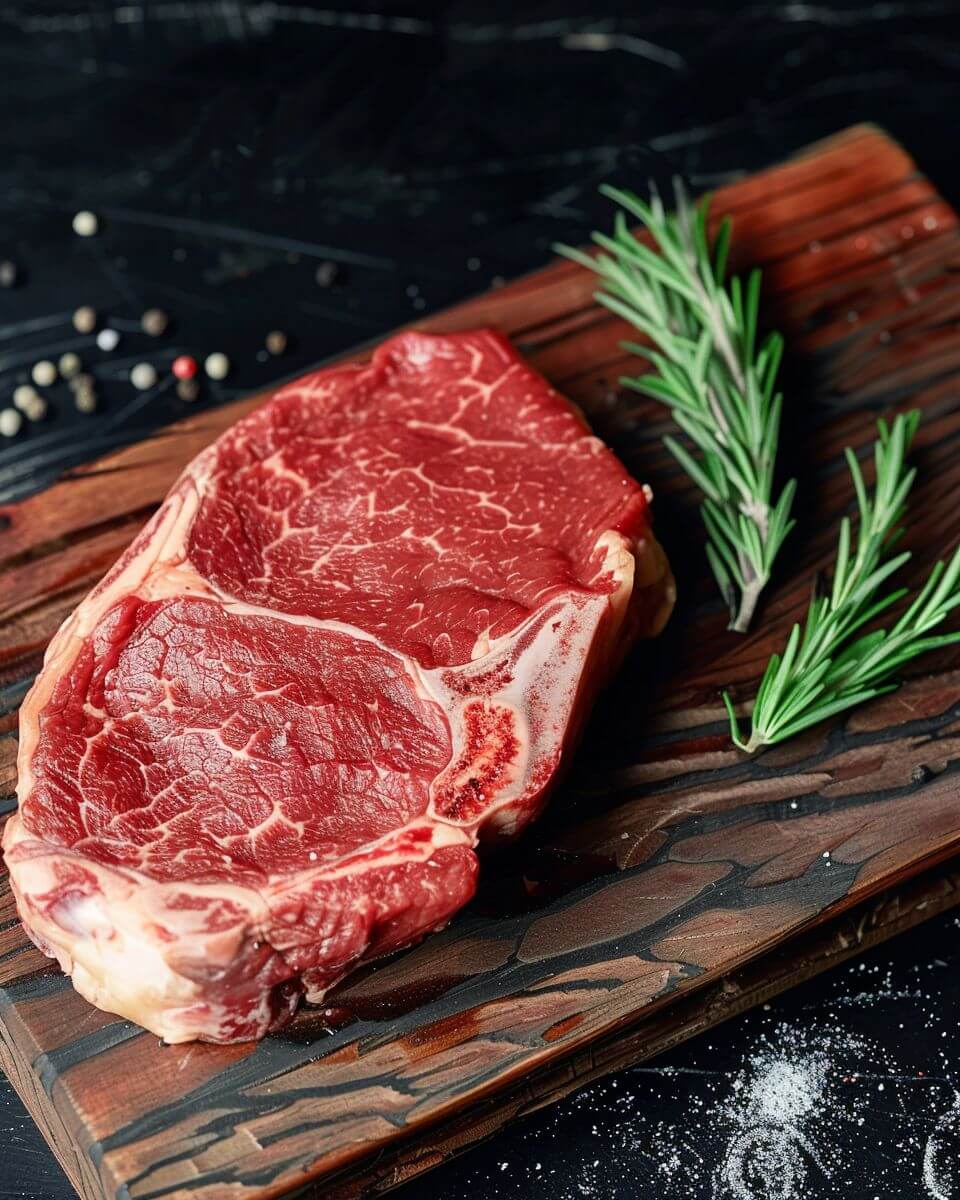
- 2 ribeye steaks (about 1–1½ inches thick)
- Salt (preferably coarse or kosher)
- Black pepper
- 2 tablespoons butter
- 2 cloves garlic, smashed
- Optional: fresh rosemary or thyme
Quick note before you start:
Take the steaks out of the fridge about 30–40 minutes before cooking.
It sounds small, but it helps them cook more evenly—and honestly, it’s one of those little things that makes a noticeable difference.
Step-by-Step Instructions (You’ve Got This)
1. Season generously
Pat the steaks dry with paper towels.
Then season both sides with salt and pepper. Don’t be shy here—this is where your flavor starts.
2. Heat your pan
Place a heavy skillet (cast iron if you have it) over medium-high heat.
Let it get really hot. Like, “you can feel the heat when you hover your hand over it” hot.
3. Sear the steaks
Place the steaks in the pan and leave them alone.
No moving, no flipping every second—just let them sear for about 3–4 minutes. This is how you get that golden crust.
Flip and cook the other side for another 3–4 minutes.
4. Add butter and aromatics
Reduce the heat slightly and add:
- Butter
- Garlic
- Herbs (if using)
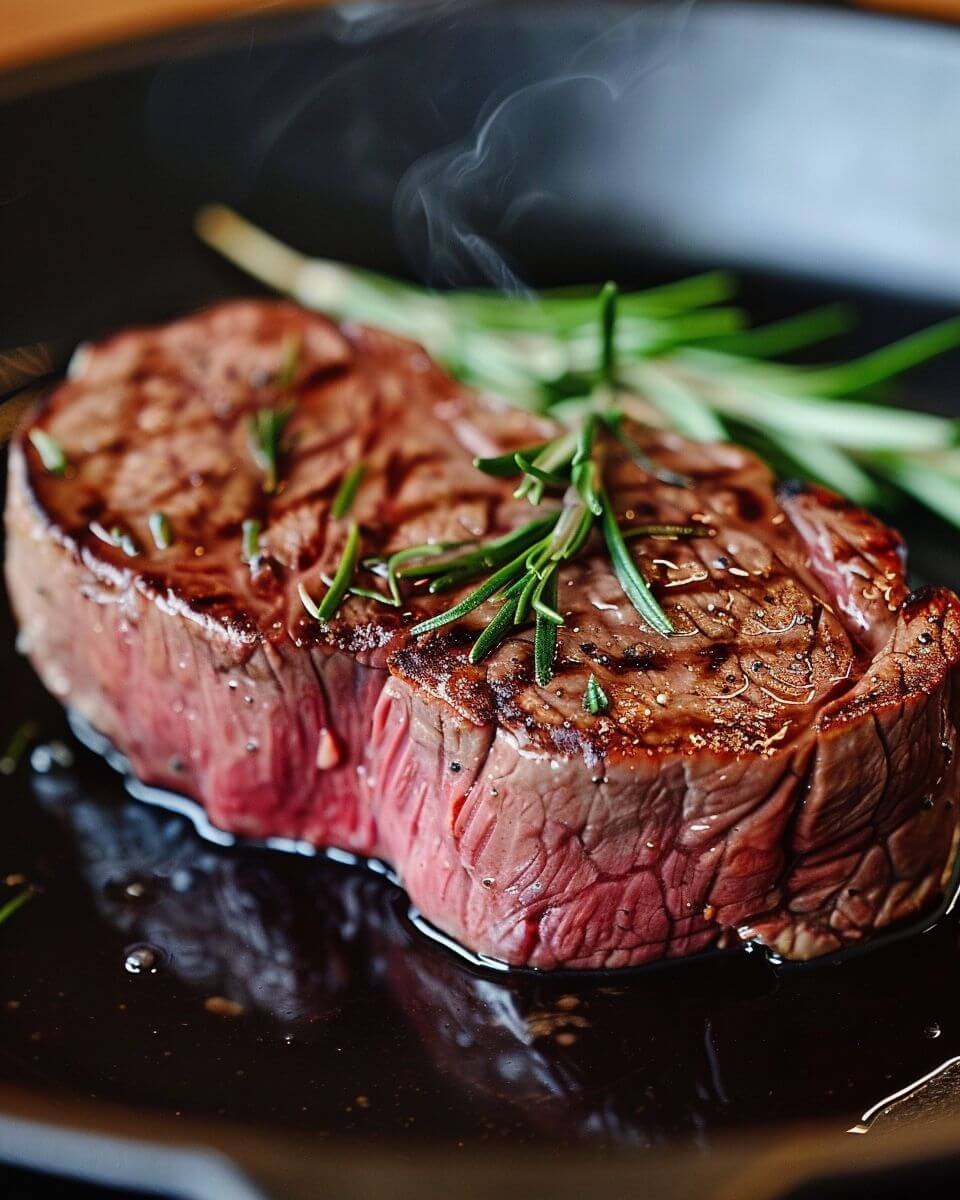
Tilt the pan slightly and spoon the melted butter over the steaks for about 1–2 minutes.
This step? It’s where the magic happens.
5. Check doneness
Use a meat thermometer if you can:
- 130°F = medium-rare
- 140°F = medium
Or go by feel—firmer means more done.
6. Let it rest
Transfer the steaks to a plate and let them rest for 5–10 minutes.
I know it’s tempting to cut in right away, but resting keeps the juices where they belong.
Tips That Actually Help
- Dry steaks = better crust: Moisture is the enemy of a good sear.
- Don’t overcrowd the pan: Cook in batches if needed.
- Use high heat, then adjust: That initial sear matters.
- Resting isn’t optional: It really does make a difference.
Variations (Because Everyone Has Opinions About Steak)
1. Garlic Butter Upgrade
Mix softened butter with garlic and herbs, then place a dollop on top right before serving.
2. Simple Marinade Version
If you have extra time, marinate the steak for an hour in olive oil, garlic, and a splash of soy sauce.
It adds depth without complicating things.
3. Oven Finish Method
After searing, transfer the skillet to a 400°F oven for 5–7 minutes to finish cooking.
Great if your steaks are thicker.
4. Kid-Friendly Approach
Slice the steak thinly after cooking. It’s easier for kids to eat and feels less “intimidating” on the plate.
5. No Butter Option
Use olive oil instead. You’ll lose a bit of richness, but it still works well.
Make-Ahead + Storage (Because Not Every Meal Is Perfectly Timed)
Make-ahead:
You can season the steaks and keep them in the fridge for a few hours before cooking.
Storage:
Leftovers can be stored in the fridge for up to 3 days.
Reheat gently, or slice thin and use in:
- Sandwiches
- Salads
- Wraps
Real-life note:
Cold steak straight from the fridge? Surprisingly good. Not saying it’s a plan… but it happens.
What to Serve With It (Keep It Balanced)
Ribeye is rich, so pairing it with lighter sides works well:
- Roasted vegetables
- A crisp green salad
- Mashed or roasted potatoes
- Simple rice or quinoa
Or go classic and keep it simple—steak and a veggie is more than enough.
A Quick Thought (Because This Comes Up)
Cooking steak at home can feel like something you “graduate” into.
But honestly? It’s less about skill and more about confidence. Once you do it once or twice, it stops feeling like a big deal.
And then suddenly, it’s just another dinner option.
Conclusion
Ribeye steak is one of those meals that feels special without needing a complicated process. With just a few ingredients and a simple method, you can create something that tastes just as good—if not better—than what you’d order out.
It’s satisfying, flexible, and surprisingly doable, even on a busy night.
And once you realize how straightforward it is, you might find yourself making it more often than you expected.
Ribeye Steak with Garlic Herb Butter
Ingredients
Method
- Pat the ribeye steak dry with paper towels and season evenly with salt and pepper.
- Heat a cast-iron skillet over medium-high heat and add canola oil until hot.
- Place steak in the pan and sear for about 3 minutes per side until a dark crust forms.
- Reduce heat to medium-low. Add butter, garlic, thyme, and rosemary to the pan.
- Tilt the pan and spoon melted butter over the steak continuously for about 2 minutes, flipping to baste both sides.
- Remove steak from pan and let rest on a cutting board for at least 16 minutes.
- Slice into pieces and serve immediately.
Notes